The Hidden Cost of Medicine on Physician Families: Loneliness, Resentment, and Belonging
Nov 10, 2026How loneliness, invisible labor, and the search for belonging shape life beyond the white coat.
A physician spouse can feel two things at once: enormous pride in the work their partner does and real resentment about everything that work requires of the family. One doesn’t cancel out the other. Yet too often, the moment a medical spouse tries to explain the harder parts of life at home, the response is some variation of, “But you’re married to a doctor.”
That simple comment reveals how easily the experiences of physician spouses and partners can disappear from the larger conversation about medicine. People see the profession, the accomplishment, and sometimes the presumed lifestyle. They rarely see the moves, the missed holidays, the solo parenting, or the emotional energy required to support someone whose work can be exhausting and traumatic.
In Episode 55 of The MedLife Support Podcast, I’m sharing a replay of a conversation originally recorded for Create Meaning in Medicine with hosts Erin Hurley, MD, and Joanne Sotelo, MD. My friend Elizabeth Landry, founder of The MedCommons, joined me to talk about a question that deserves far more attention: What happens to the people who love and live with physicians when medicine takes so much of their time and energy?
When medicine moves, the whole family moves
Elizabeth and I both know the disorientation of starting over because of a medical career. A physician might move for medical school, residency, fellowship, or the first attending position; a spouse may leave employment, friends, family, and a familiar identity behind. When that happens repeatedly, the losses accumulate. It isn’t simply a matter of learning a new city. It can mean rebuilding your support network and your sense of belonging each time.
During this conversation, I shared how my own moves as a medical spouse left me feeling that something was missing long before I had the language to describe it. Years later, while researching physician burnout and the marital relationship for my PhD, I heard related experiences from spouses who spoke about loneliness, sacrifice, and loss. Those themes were not incidental details. They helped explain why medical families need support systems that understand the particular demands of their lives.
Elizabeth is addressing that gap through The MedCommons, including The MedCommons Circle, which helps physician families connect with others in their geographic area. Her point is straightforward: People do not necessarily need another lecture about coping. Sometimes they need someone who understands why a scheduled dinner can unravel because of a call shift, or why a new city can feel profoundly lonely even when the family is grateful for the opportunity that brought them there.
The work nobody sees at home
Medical spouses often become the default parent, organizer, problem-solver, and keeper of the family calendar. Someone has to remember the school forms, the appointments, the supplies for tomorrow, and the details of activities the physician may be unable to attend. When the physician gets home, there may also be emotional work to do: listening, reassuring, and trying to make space for a partner who has had an exceptionally difficult day.
The challenge is not that physicians do not care about their families. It is that medical training and workplace structures can make family participation harder than it needs to be. As we discuss in the episode, the demands can look different in households led by women physicians or in dual-physician marriages, where expectations around domestic labor may persist even when both partners have demanding clinical careers.
And there is a quieter layer to this load. A spouse may feel guilty even admitting that home life is hard because the physician’s patients are facing illness, loss, or crisis. Comparing suffering can leave the partner at home believing their own experience is not important enough to name. Silence then makes connection harder, not easier.
Pride and resentment can exist in the same marriage
One of the most revealing parts of this discussion is the contradiction so many medical spouses know well. You can feel frustrated because your partner has missed another important event and still be deeply moved when a patient thanks them for life-changing care. You can admire their commitment to medicine and wish the family received more of their attention. Those emotions coexist because the situation itself is complicated.
This tension matters for couples. When the spouse is angry at the demands of the system, that anger may be expressed toward the physician simply because the physician is the person closest to the problem. Meanwhile, a physician who has spent the day suppressing emotion to provide safe care may struggle to shift immediately into a vulnerable conversation at home. Neither partner necessarily has an easy path into understanding the other.
The answer is not to ignore those differences or expect either person to guess what the other needs. Erin, Joanne, Elizabeth, and I discuss the importance of talking openly about expectations, what connection looks like for each person, and whether both partners are prepared to listen to an answer that may be difficult to hear.
Belonging is not a luxury for physician families
Near the end of our discussion, Elizabeth makes the case that belonging matters beyond the household. Her work asks healthcare organizations to consider how a physician’s ability to thrive is affected when their family feels isolated after a relocation. Supporting families is not simply a nice gesture reserved for an annual social event. It can be part of a more complete approach to physician well-being and long-term organizational stability.
For individuals, building community may start on a smaller scale: joining a medical alliance, finding a parent group, volunteering, participating in a recreational activity, or inviting a new acquaintance for coffee. None of these steps eliminates the structural challenges of medicine. But meaningful relationships can give physician spouses and partners a place to be understood without having to explain every detail of life behind the white coat.
For healthcare leaders, the question is bigger: Are family needs part of the conversation when physicians are recruited, relocated, trained, and supported? If well-being stops at the hospital doors, we are leaving out people who are deeply affected by the way medicine is practiced.
A conversation I am grateful to share
This episode is part of The MedLife Support Podcast’s gratitude series, in which I am revisiting conversations from other podcasts that have welcomed me as a guest. My sincere thanks to Erin Hurley and Joanne Sotelo for inviting Elizabeth and me onto Create Meaning in Medicine, making room for the physician family perspective, and helping amplify the work we are doing. I am also grateful to Elizabeth, whose friendship and efforts through The MedCommons reflect our shared belief that connection needs to become part of how medicine supports families.
If you are a medical spouse wondering whether anyone else feels lonely while also feeling proud, I hope this conversation gives you words for an experience that is often hard to explain. And if you are a physician or healthcare leader, I hope it prompts a different question—not just “How is the doctor doing?” but “How is the family doing?”
Listen and keep exploring
Listen to Episode 55 of The MedLife Support Podcast on your preferred podcast platform. This conversation was originally published as Episode 171 of Create Meaning in Medicine on March 10, 2026.
For more with Elizabeth Landry, listen to Episode 14, “Community as Care — Why Physician Families Need Community, Not Just Coping”: https://www.themedlifematrix.com/blog/community-as-care-physician-families
For more with Erin Hurley, MD, listen to Episode 23, “Physician Burnout Is Impacting Your Marriage: The Hidden Cost of Medicine”: https://podcasts.apple.com/us/podcast/23-physician-burnout-is-impacting-your-marriage-the/id1867028871?i=1000758385309
Meet the people behind the conversation
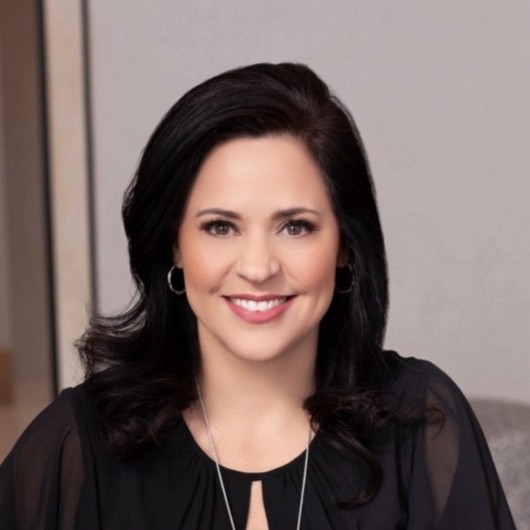
Elizabeth Landry, MBA, founded The MedCommons to help physician families find connection, information, and local community. A physician spouse and coach, she also partners with healthcare organizations to bring family support into physician well-being efforts. Learn more at https://themedcommons.com/.
Erin Hurley, MD, is a physician leadership coach, founder of Transformational Doc, and co-host of Create Meaning in Medicine. Joanne Sotelo, MD, is a psychiatrist, physician coach, and the show’s co-host. Learn more about their podcast at https://www.createmeaninginmedicine.com/episodes/ and Erin’s work at https://transformationaldoc.com/.
Stay connected with news and updates!
Join our mailing list to receive the latest news and updates from our team.
Don't worry, your information will not be shared.
We hate SPAM. We will never sell your information, for any reason.