
The Addiction No One Sees: Physician Substance Use, Recovery & Physician Health Programs
Oct 27, 2026The Addiction No One Sees: Physician Substance Use, Recovery & Physician Health Programs
Substance use disorder does not always look like professional collapse. A physician can still be seeing patients, meeting expectations, advancing professionally, and appearing highly functional while a serious problem is already affecting their health, marriage, and family. That tension sits at the center of my conversation with Chris Bundy, MD, MPH, Executive Medical Director of the Washington Physicians Health Program and Chief Medical Officer of the Federation of State Physician Health Programs.
Chris brings an unusual depth to this discussion because he understands physician substance use from both sides. He is a psychiatrist, addiction medicine specialist, physician health leader, husband, father, and physician in recovery. His story challenges the assumption that addiction becomes obvious only after something catastrophic happens. In his case, there was no DUI, no malpractice complaint, no medical board complaint, and no dramatic professional implosion. His career continued to progress, even as alcohol was becoming increasingly central to how he coped with the demands of daily life.
For years, Chris believed that as long as work was going well, everything else must still be manageable. He continued to perform at a high level professionally, but his wife was seeing a very different version of what was happening. He describes her experience not as witnessing one explosive event, but as watching him gradually disappear from the relationship. He was working, recovering from work, or emotionally checked out. Over time, they tried to manage his drinking through agreements, negotiations, limits, and couples counseling. Like many couples facing substance use disorder, they found themselves focusing on how to control the behavior rather than fully recognizing the illness underneath it.
That dynamic is especially important for medical families because spouses are often among the first people to notice that something has changed. They may begin monitoring how much their partner drinks, watching for changes in behavior, worrying about what might happen at social events, or trying to determine whether the problem is “serious enough” to justify concern. At the same time, the professional stakes can make speaking up feel particularly complicated. When a physician’s livelihood, licensure, reputation, and career are part of the equation, secrecy can begin to feel protective—even when it is creating more isolation inside the family.
Chris points to several warning signs that deserve attention. Daily substance use is one, particularly when alcohol or another substance becomes necessary to relax, sleep, socialize, or transition out of work mode. Repeated promises to cut back that do not hold, ongoing conflict with a spouse or children, giving up hobbies or interests, and organizing more of life around substance use or recovery from it are also meaningful. Secrecy matters as well. When a family begins structuring itself around what cannot be discussed openly, the substance use is already shaping the relationships around it.
Medical culture can make those patterns harder to recognize. Alcohol is often normalized at conferences, professional gatherings, celebrations, and social events, and using a drink to “unwind” after a difficult shift may seem routine. Chris is not suggesting that everyone who drinks has a substance use disorder. His point is that the relationship with the substance matters. When it shifts from something optional to something relied upon, and when problems continue despite repeated attempts to stop or cut back, it deserves closer attention.
For Chris, the turning point came when alcohol stopped providing the relief it once had. What had originally helped him relax or escape no longer worked. During a period away from work, he reached what he describes as a wall: he could not drink enough to feel better, but he also did not know how to live without drinking. Eventually, he told his wife it was time and entered residential treatment. After treatment, he enrolled in a Physician Health Program, a decision that would ultimately influence not only his recovery, but also the direction of his career.
For many physicians, the words Physician Health Program can immediately trigger fear. Questions about licensure, credentialing, reporting, employment, and professional reputation can make seeking help feel dangerous. Chris does not dismiss those concerns; instead, he reframes the risk. The consequences of untreated illness may ultimately be greater than the consequences of asking for help. Waiting until there is a patient safety event, employment action, licensing issue, or other professional crisis can make an already difficult situation significantly harder.
Physician Health Programs are designed to provide specialized support for physicians and other healthcare professionals experiencing health conditions that may affect safe practice. That can include substance use disorders, mental health conditions, behavioral concerns, or other medical problems. PHPs may help connect physicians with evaluation, treatment, monitoring, accountability, and advocacy while also addressing the realities of medical licensure and professional practice. Chris is careful to point out that a PHP does not have to be the first or only answer. The broader goal is appropriate treatment. But when prior efforts are not working or problems are beginning to threaten a physician’s health, relationships, or professional functioning, specialized support can become critically important.
One of the most meaningful parts of this conversation is Chris’s description of what recovery has changed beyond his substance use. He speaks openly about becoming a better physician, spouse, father, and leader. His family developed a shared language for talking about imperfection, conflict, vulnerability, and connection. The recovery process became something larger than abstinence; it became a way of rebuilding relationships and changing how the family communicates and functions together.
That matters because addiction rarely affects only the person using the substance. Spouses may carry fear, resentment, confusion, secrecy, and emotional exhaustion. Children may experience tension or disconnection without fully understanding its source. The entire household begins adapting around the illness. Recovery can also ripple through that same system in the opposite direction, creating greater honesty, stronger boundaries, and healthier relationships.
At the end of the episode, I asked Chris the same question I ask every guest: What is one piece of advice that can help physicians and their families stay connected through the chaos of MedLife? His answer was simple: “Don’t worry alone.”
Listen to Episode 53: The Addiction No One Sees: Substance Use, Recovery & Physician Health Programs
That may be the most important takeaway from this entire conversation. You do not need to have a diagnosis before you tell someone you are concerned. You do not need to wait until there has been a professional crisis, a relationship collapse, or a catastrophic event. And you do not need to become the person responsible for managing someone else’s illness in silence. Substance use disorder thrives in secrecy and isolation. Connection is often where change begins.
ABOUT CHRIS BUNDY, MD, MPH
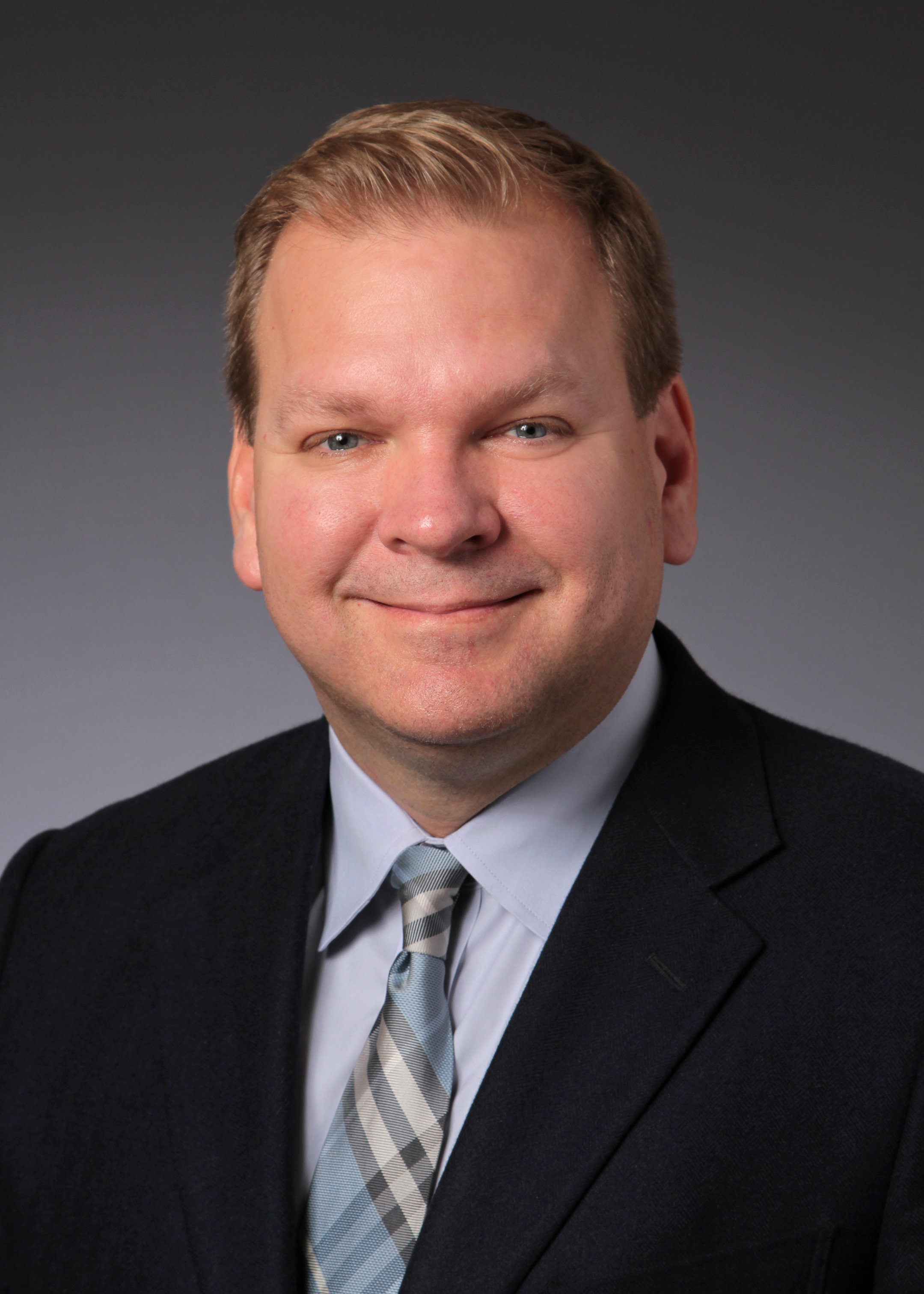
Chris Bundy, MD, MPH, is Executive Medical Director of the Washington Physicians Health Program and Chief Medical Officer of the Federation of State Physician Health Programs. He is board-certified in adult and geriatric psychiatry as well as addiction medicine and holds faculty appointments at the University of Washington School of Medicine and Washington State University Elson S. Floyd College of Medicine.
A physician in recovery, Dr. Bundy is dedicated to advancing education, advocacy, treatment, and support for physician health and well-being.
Resources
Washington Physicians Health Program: https://wphp.org
Chris Bundy, MD, MPH on LinkedIn: https://www.linkedin.com/in/chris-bundy-md-mph-8416784a/
IDAA: https://www.idaa.org
Federation of State Physician Health Programs: https://www.fsphp.org
Provides information about state Physician Health Programs nationwide.
This content is intended for educational and informational purposes only and is not a substitute for individualized medical or mental health advice.
Stay connected with news and updates!
Join our mailing list to receive the latest news and updates from our team.
Don't worry, your information will not be shared.
We hate SPAM. We will never sell your information, for any reason.
