
How Restorative Writing Helps Physicians Heal Burnout with Dr. Carolyn Roy-Bornstein
Apr 28, 2026What if burnout is not only about exhaustion, workload, or system strain, but also about losing access to your own voice?
In this episode of The MedLife Support Podcast, Dr. Lisa welcomes Dr. Carolyn Roy-Bornstein, a board-certified pediatrician, writer in residence, and author of A Prescription for Burnout: Restorative Writing for Healthcare Professionals. Their conversation offers a fresh and deeply hopeful perspective on physician burnout: that one part of healing may begin with narrative medicine, reflective writing, and the courage to pause long enough to process what medicine asks clinicians to carry.
Dr. Roy-Bornstein describes how she created her role as writer in residence at the Lawrence Family Medicine Residency Program and how her work evolved into leading narrative medicine sessions for residents. Through close reading, reflective prompts, and optional sharing in a safe environment, she helps physicians-in-training build listening skills, process difficult experiences, and reconnect with their own humanity.
One of the most compelling parts of this episode is Carolyn’s explanation of narrative medicine. She describes it simply as teaching people to listen — not just to words, but to pauses, metaphors, imagery, and silence. Those are often the exact ways patients communicate suffering. In that sense, narrative medicine is not separate from clinical care. It deepens the physician’s capacity to witness, understand, and respond with greater empathy and presence.
The conversation also explores Carolyn’s personal experience with writing as healing after profound family trauma. She explains how writing became a place to hold grief, loss, and complexity, and how later research on expressive writing helped validate what she already knew firsthand: writing can help people heal. Lisa and Carolyn discuss studies showing that writing can support emotional regulation, reduce distress, and even improve measurable physical outcomes. They also discuss the power of affect labeling — the process of naming feelings so they can be better understood and addressed.
A key framework in this episode is Maslach’s three dimensions of burnout: emotional exhaustion, depersonalization or cynicism, and reduced personal accomplishment. Dr. Roy-Bornstein explains why this model helped shape her book and how restorative writing can help physicians notice what they are carrying, make meaning of their experiences, and begin moving from depletion toward joy, gratitude, wonder, and purpose.
For physician spouses and medical families, this episode is especially meaningful. Carolyn offers language for why physicians may come home carrying the emotional residue of suffering without knowing how to release it. She reflects on the helplessness spouses often feel and suggests that writing, listening, and honest communication may create space not to fix one another, but to receive and understand each other more fully.
The episode also addresses cynicism in medicine and how reflective writing may help interrupt it before it hardens into emotional or relational distance. Carolyn shares that while physicians were often trained not to get too close to patients, the research increasingly suggests that meaningful relationships in medicine are not the problem — they are often the source of joy, purpose, and resilience. Writing can help physicians recognize these sacred moments and stay open to them.
For doctors who think they do not have time to write, Carolyn offers realistic and research-backed encouragement. Even brief writing practices — just a few minutes, a couple of times a week — can be meaningful. A note in a phone, a voice memo, or a few lines on paper can become a place to return to, reflect, and reclaim agency in a system that often feels depersonalizing.
This episode is a thoughtful companion to Dr. Roy-Bornstein’s book launch and an invitation to healthcare professionals to consider writing not as indulgent, but as restorative. If burnout has made you feel disconnected from yourself, your patients, or your family, this conversation offers a powerful reminder: meaning can be found again.
In This Episode, You’ll Learn:
- What narrative medicine is and how it supports physician wellbeing
- How restorative writing differs from venting or standard journaling
- The science behind writing as a healing practice
- How burnout shows up in physicians and in medical marriages
- Why naming emotions can help reduce distress
- How writing can help physicians process patient suffering without carrying it home
- How to begin a simple reflective writing practice today
- Why reclaiming your voice matters in a healthcare system that can feel dehumanizing
Listen to Episode 27 HERE.
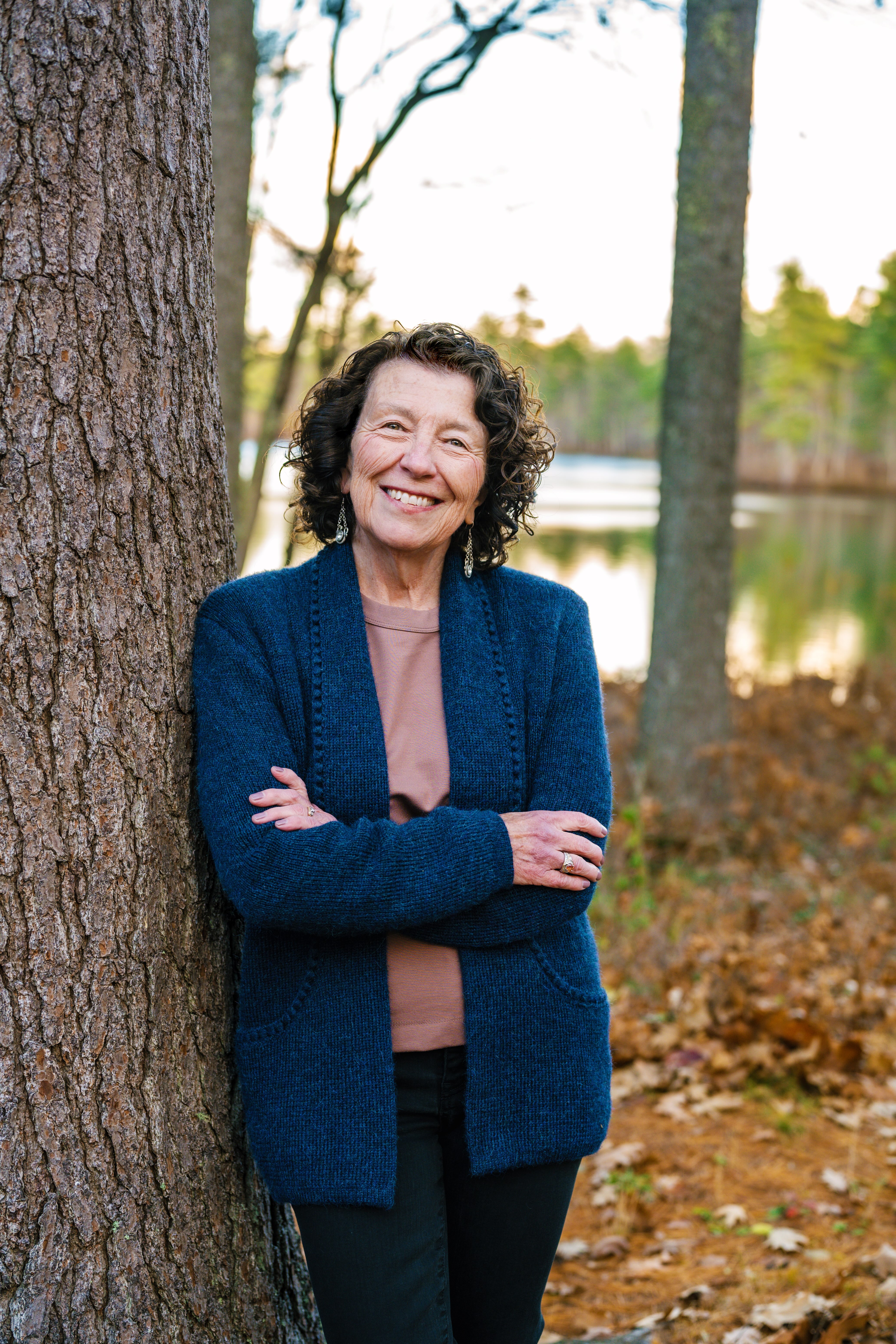
About Dr. Carolyn Roy-Bornstein
Dr. Carolyn Roy-Bornstein is a board-certified pediatrician, writer in residence at the Lawrence Family Medicine Residency Program, and author of A Prescription for Burnout: Restorative Writing for Healthcare Professionals. In her work with physicians and residents, she teaches narrative medicine and reflective writing as a way to reconnect clinicians with meaning, empathy, and their deepest values.
Connect with Dr. Carolyn Roy-Bornstein
Website: www.CarolynRoyBornstein.com
Book: Johns Hopkins University Press website
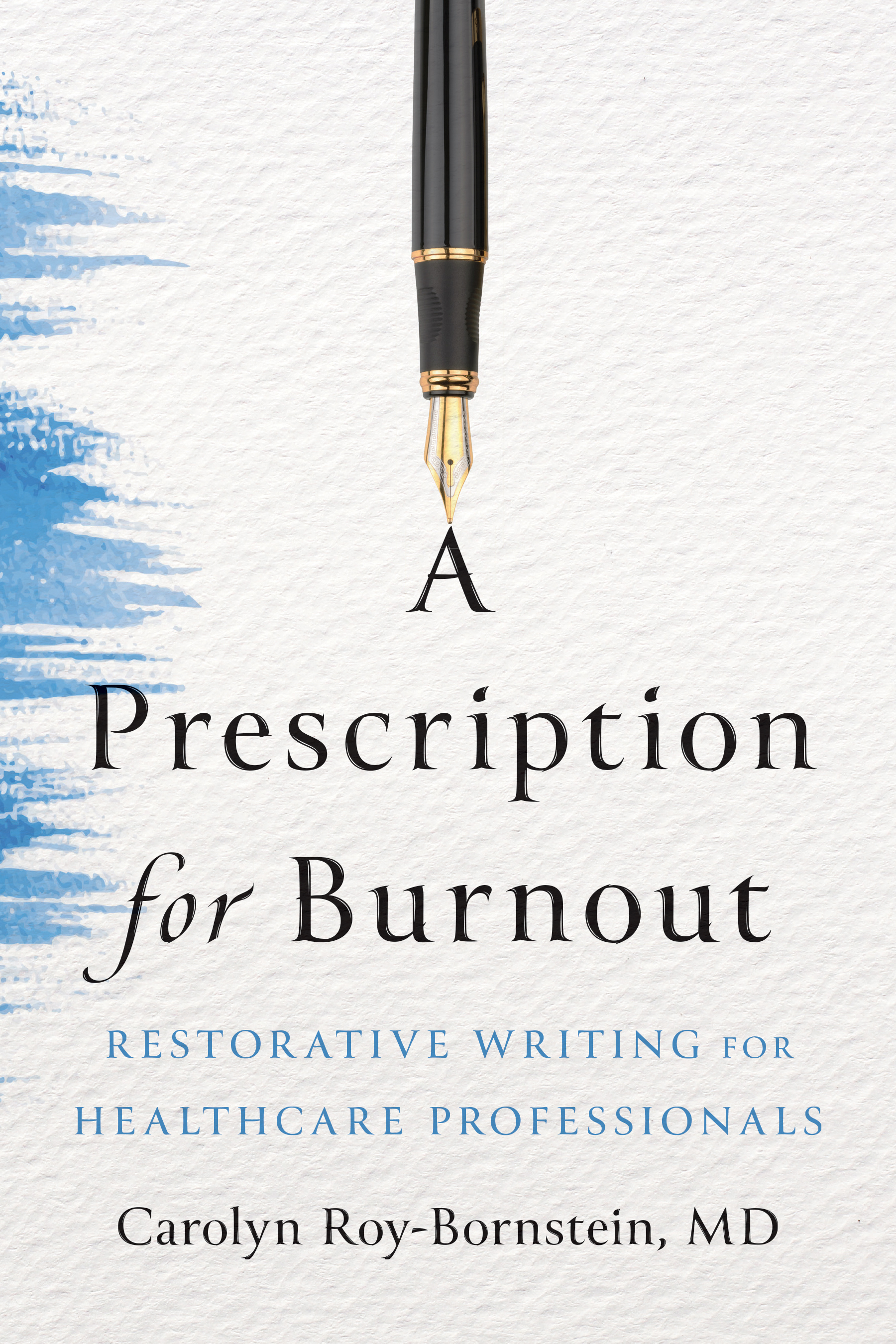
Advance Praise for A Prescription for Burnout
“A Prescription for Burnout is a highly insightful and meticulously researched blueprint for incorporating
creativity into one's daily life.”
— Jacob M. Appel, author of Who Says You're Dead? Medical and Ethical Dilemmas for the Curious
and Concerned
“Warm, wise, and practical, this book is a potent and effective prescription for doctors and nurses burned out
by the depersonalized healthcare system and still reeling from the extraordinary stresses of the COVID-19
pandemic.
”
— Suzanne Koven, MD MFA, author of Letter to a Young Female Physician: Notes from a Medical Life
“In A Prescription for Burnout: Restorative Writing for Healthcare Professionals, Dr. Carolyn Roy-Bornstein has
written a meditative and practical book on what writing is good for. Finding the right words to tell the story,
explain the self to oneself, create order out of confusion, clean the room of the mind—all can be, she reminds
us, as beautiful, as satisfying, and as healing as a Mozart sonata.”
— Victoria Sweet, University of California, San Francisco
“This is a deeply personal and also practical step-by-step approach to writing for people whose profession is
healing others and who are looking to writing as a way to understand and care for themselves.”
— Perri Klass, MD, author of The Best Medicine: How Science and Public Health Gave Children a
Future
Books Also Mentioned on the Show (affiliate link):
How Do you Feel? One Doctor's Search for Humanity in Medicine by Dr. Jessi Gold
Stay connected with news and updates!
Join our mailing list to receive the latest news and updates from our team.
Don't worry, your information will not be shared.
We hate SPAM. We will never sell your information, for any reason.
