
Why Intimacy Fades in Medical Marriages (And How to Rebuild It) with Ronke Dosunmu, MD, FAAP
Jun 30, 2026You can deeply love your spouse and still miss feeling close to them.
For many physician couples, that realization arrives quietly.
There is no major conflict. No dramatic argument. No obvious crisis.
Instead, there are schedules.
Call shifts.
Children's activities.
Household responsibilities.
Endless logistics.
Over time, conversations become less about connection and more about coordination. Couples begin functioning like teammates managing a complex operation rather than partners nurturing a relationship.
The marriage may appear stable from the outside. Yet underneath, both people may be experiencing loneliness.
In a recent episode of The MedLife Support Podcast, I sat down with physician entrepreneur and relationship educator Dr. Ronke Dosunmu, known as Dr. Dos, to discuss why emotional disconnection is so common among physician couples and high-achieving women—and what couples can do to reconnect.
The Hidden Loneliness in Medical Marriages
One of the most important distinctions Dr. Dos makes is that loneliness and dissatisfaction are not the same thing.
A person can be dissatisfied with many aspects of life.
Loneliness, however, often stems from not feeling fully known.
This is particularly relevant for physicians and other high-achieving professionals.
Many spend years learning how to perform under pressure, solve problems, remain composed, and care for others. These skills are essential in medicine.
Unfortunately, those same strengths can create challenges at home.
When someone becomes accustomed to always being the helper, the leader, or the problem-solver, receiving support can feel unfamiliar.
Being vulnerable can feel uncomfortable.
And intimacy suffers when vulnerability disappears.
Why High-Achieving Women Often Struggle to Receive Support
Dr. Dos works primarily with high-achieving professional women and frequently sees a common pattern.
Many women have spent decades proving their competence.
They know how to lead.
They know how to endure.
They know how to perform.
What they often have not learned is how to receive.
In medicine especially, there is little room for vulnerability. Physicians are trained to remain confident, decisive, and capable even under extraordinary pressure.
Those habits are incredibly useful at work.
They are often far less helpful in marriage.
When vulnerability is absent, couples can begin to lose access to one another emotionally.
The result is a marriage that may still be loving and committed but feels increasingly lonely.
A Busy Marriage Is Not Necessarily a Disconnected Marriage
Many physician families assume their relationship struggles are simply a function of time.
If only the schedule improved.
If only call ended.
If only life slowed down.
While time certainly matters, Dr. Dos argues that disconnection is often less about time and more about intentionality.
A marriage can be extremely busy and still remain connected.
Likewise, a marriage can have plenty of available time and still feel distant.
The difference is whether connection is being cultivated intentionally.
Small moments matter.
A thoughtful text message.
Holding hands.
Sharing a joke.
Looking through old photos together.
Discussing future dreams.
These interactions may seem insignificant, but they help maintain emotional connection during demanding seasons of life.
The Danger of the Slow Drift
One of the most powerful concepts from our conversation was what Dr. Dos describes as the "slow drift."
Unlike major conflict, slow drift often goes unnoticed.
The couple is not fighting.
There are no dramatic warning signs.
Life simply becomes increasingly transactional.
Over months and years, emotional distance grows.
Eventually, couples find themselves wondering how they arrived in a place where they no longer feel close.
This pattern is especially common in medicine because physician families spend so many years focused on reaching the next milestone:
Medical school.
Residency.
Fellowship.
The first attending position.
The next promotion.
The next move.
The habit of postponing connection can become deeply ingrained.
Unfortunately, relationships cannot thrive indefinitely on deferred attention.
Why This Matters for Burnout
Although this conversation focused primarily on relationships, it has important implications for physician burnout as well.
Research consistently demonstrates that supportive relationships act as a protective factor against burnout.
At the same time, burnout often crosses over into the marital relationship.
Stress experienced at work affects life at home.
Stress experienced at home affects performance at work.
The relationship between burnout and marriage is not one-directional.
It is reciprocal.
When couples maintain emotional connection, they create a stronger foundation from which to navigate the challenges of medical life.
When that connection erodes, both partners become more vulnerable.
Marriage Is a Learnable Skill
Perhaps the most encouraging message from our conversation is this:
Marriage is not something people simply know how to do.
It is a skill.
Most of us were never formally taught how to build emotional intimacy, navigate conflict, communicate effectively, or maintain connection during stressful seasons.
Yet we often expect ourselves to instinctively know how.
Just as physicians spend years learning medicine, healthy relationships require learning, practice, and intentional effort.
The good news is that skills can be learned.
Patterns can be changed.
And disconnection can be reversed.
A Simple Place to Start
If you recognize yourself in this conversation, begin with one small step.
Send the text.
Ask the question.
Share the feeling.
Hold the hand.
Have the conversation.
Connection rarely returns through grand gestures.
More often, it is rebuilt through small moments repeated consistently over time.
Because even in the chaos of medical life, intimacy remains one of the most important investments a couple can make.
Meet Dr. Dos
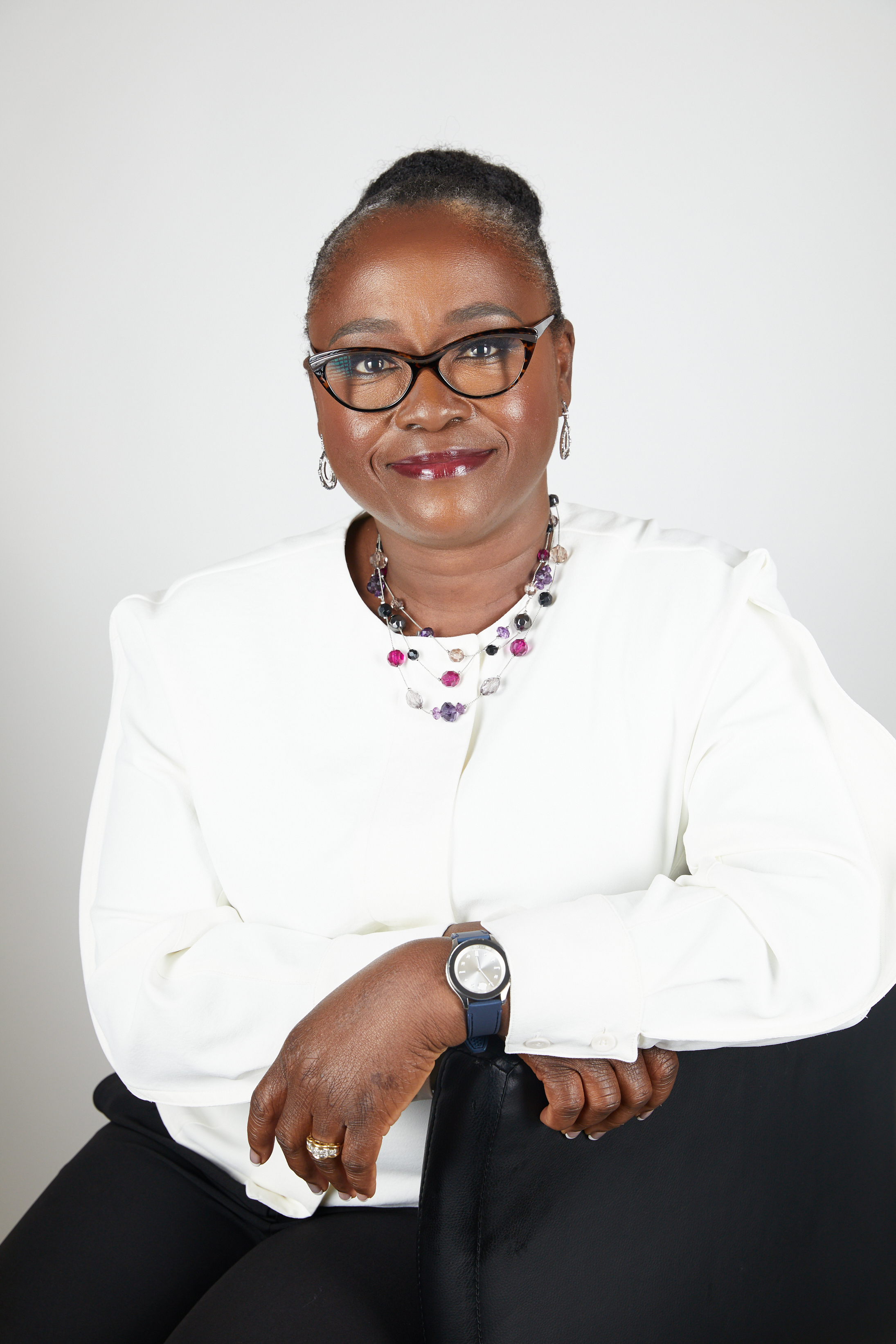
Dr. Ronke Dosunmu, known as Dr. Dos, is a physician entrepreneur and founder of The School of Wife, a marriage education brand for high-achieving professional women. Her work helps women who are deeply committed to their marriages understand why they may still feel lonely, unseen, or disconnected in the relationship that matters most.
Dr. Dos teaches that marriage is a learnable skill and that the same drive, competence, and responsibility that make women exceptional in their careers can quietly create distance in their marriages. Through education, coaching, and practical relationship tools, she helps women build stronger, more connected marriages while thriving professionally.
Connect with Dr. Dos
LinkedIn: Ronke Dosunmu, MD FAAP
Visit Dr. Dos' website to take the free Relationship Position Assessment to better understand the patterns shaping your relationship and identify opportunities to strengthen connection.
Additional Resources Mentioned in the Show
Visit the Resources page of The MedLife Matrix to download the e-book Wellness Beyond the White Coat: Burnout Breakthroughs for Physician Families. Here, you'll find practical, evidence-informed strategies to help physician families strengthen relationships, navigate burnout, and build greater well-being together.
To listen to previous episodes on loneliness (which we talked about a lot today), check out the following episodes:
Episode 4: Loneliness in Medical Marriages: Feeling Alone Together based on an excerpt from Dr. Lisa's dissertation: Physician Burnout and the Marital Relationship: Spouse Perspective
Episode 13: Loneliness in Medical Families: Why Connection Matters More Than Ever with Emily Kent, PhD
Episode 25: The Hidden Loneliness No On Talks About in Medical Families with Loneliness Doctor, James Ellis, PhD
Stay connected with news and updates!
Join our mailing list to receive the latest news and updates from our team.
Don't worry, your information will not be shared.
We hate SPAM. We will never sell your information, for any reason.
